
Dry Van Transportation
- Home
- Dry Van Transportation
Our Services
Contact Info
Phone Number
(+1) 431-800-8005
Email Address
info@wellytransport.com
Location
66 Clover Dr, Stony Mountain, MB R3C 2E6, Canada
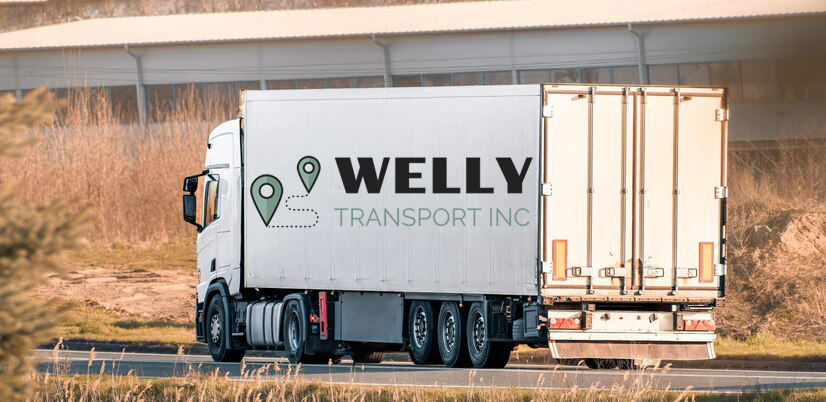
What Is a Dry Van Trailer?
Trailer Dimensions and Construction
Dry van trailers come in a few standard lengths and are built from different materials to match haul requirements:
Standard Trailers (53 feet): The workhorse of the industry offering maximum capacity for most freight types.
Pup Trailers (26–29 feet): Better suited for tighter urban deliveries or lighter loads.
Materials: Trailer bodies may use galvanized steel aluminum hardwood or composite panels. Steel and aluminum provide durability. Hardwood floors add strength but require extra care to avoid moisture damage.
Ideal Uses for Dry Vans
Shippers pick dry vans when they need cost‑effective transport without special climate needs. Typical scenarios include:
Non‑Perishable Foods and Beverages: Packaged snacks canned goods bottled drinks.
Consumer Goods: Clothing electronics paper products.
Building Materials: Lumber drywall piping and hardware.
Automotive: Cars motorbikes and parts loaded on dollies or crates.
Household Moves: Furniture boxes appliances and personal items.
Light Machinery and Equipment: Construction tools small generators and spare parts.
Advantages of Dry Van Shipping
High Availability: With dry vans making up a large share of the truck fleet you can often secure equipment quickly.
Cost Efficiency: Shared space options like less‑than‑truckload (LTL) reduce shipping costs for smaller loads.
Cargo Protection: Solid walls and lockable doors keep freight secure from theft and elements.
Versatility: Handles many cargo types without the need for specialized gear or permits.
Easy Loading and Unloading: Rear roll‑up or swing doors allow forklifts and pallet jacks to move goods swiftly.
Maximizing Success with Dry Vans
Proper Palletization: Secure loads on pallets using shrink‑wrap or straps to prevent shifting.
Floor Protection: Lay plastic or rubber mats under moisture‑prone shipments.
Load Planning: Distribute weight evenly to avoid overloading axles and maintain safe handling.
Seal Checks: Inspect door seals and side wall panels to stop air and water infiltration.
Carrier Selection: Choose a provider with a strong maintenance program and clear performance record.